- Home
- Foot Pain Symptoms
- Sudden Foot Pain
Sudden Foot Pain Without Injury
Written By: Chloe Wilson BSc(Hons) Physiotherapy
Reviewed By: FPE Medical Review Board

Sudden foot pain without injury can feel really alarming - especially when it comes out of nowhere and makes every step painful.
One minute you’re fine, the next you’re dealing with sudden sharp pain in the foot, sudden swelling in one foot, or stabbing pain in the arch, top of the foot or even the big toe.
The good news? Most causes of sudden onset foot pain are treatable once you know what’s behind them.
In this guide, I’ll take you through the most common reasons why foot pain appears suddenly without any obvious injury, what symptoms to look out for, how the conditions are diagnosed, and -most importantly - what you can do to relieve the pain quickly.
Quick Overview: Sudden Foot Pain
- Sudden onset foot pain often comes from conditions like plantar fasciitis, tendonitis, gout, nerve irritation, stress fractures or Morton’s neuroma.
- Symptoms vary from sharp pain in the foot arch or big toe to burning, electric shock–like sensations or sudden swelling in one foot.
- Most cases improve with rest, supportive footwear, ice, stretching and early treatment. Seek medical advice if you can’t bear weight, swelling is severe, or pain persists more than a few days.
Common Causes of Sudden Foot Pain Without Injury
Sudden foot pain without injury refers to pain that appears abruptly even though nothing obvious triggered it — no twist, fall or impact. The pain may begin while walking, standing, or even when resting, and can range from mild aching to severe, stabbing pain.
The causes vary widely, but most cases fall into one of these categories:
- Nerve issues
- Soft tissue inflammation
- Overuse injuries like stress fractures
- Joint conditions such as arthritis or gout
Quick Diagnosis Chart
If you are experiencing sudden foot pain without injury, this quick diagnosis table can help you identify the most likely cause based on where and how your foot hurts. We will then look at each one in more detail.
| Cause | Symptoms | Treatment |
|---|---|---|
| Plantar Fasciitis | Sharp heel or arch pain, worse in the morning | Calf stretches, ice, supportive shoes, activity modification |
| Foot Tendonitis | Sharp pain along tendon, swelling, tenderness | Rest, ice, stretching, supportive footwear, orthotics |
| Stress Fracture | Pinpoint pain on top, side, or bottom of foot; localised swelling; pain worsens with walking | Stop weight-bearing, medical assessment, supportive footwear |
| Gout | Big toe pain, red, hot, swollen, often severe at night | Ice, anti-inflammatories, hydration, see doctor for uric acid management |
| Morton’s Neuroma | Burning or tingling in ball of foot, shooting pain into toes, feels like a pebble in shoe | Wider shoes, metatarsal pads, rest, ice, physical therapy |
| Nerve Damage | Electric-shock sensations, tingling, numbness, pain worse at night | Rest, supportive footwear, physical therapy, medical evaluation |
1. Plantar Fasciitis
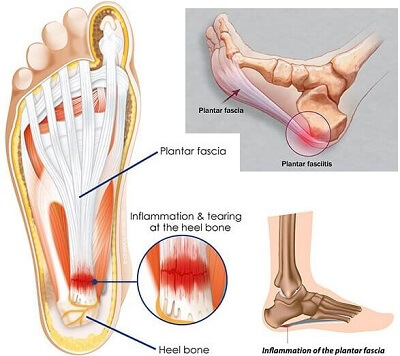
Although plantar fasciitis pain typically builds gradually, many people experience sudden sharp pain in the foot arch or heel, especially after rest.
The plantar fascia is a thick band running from the heel to the toes.
Overloading the plantar fascia from sudden increases in activity, long periods of standing or walking, tight calves, unsupportive shoes or altered foot biomechanics leads to irritation. Micro-tears can trigger sharp, sudden pain in foot when the tissue is stretched.
Common symptoms of plantar fasciitis include:
- Sudden sharp, stabbing pain under the heel or arch
- Worse first thing in the morning
- Pain after sitting or rest
- Stiffness and tightness along the sole of the foot
Plantar fasciitis treatment for sudden pain in foot usually involves a combination of:
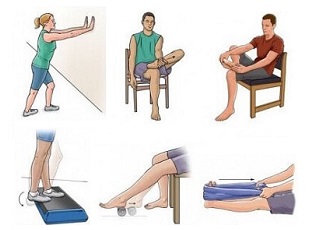
- Calf and plantar fascia stretches
- Foot strengthening exercises
- Ice bottle rolling
- Orthotics or arch supports
- Activity modification
2. Nerve Damage (Neuropathy)
Nerve problems are one of the most common causes of sudden, unexplained foot pain. Sudden nerve irritation can cause sharp, burning, shooting or electric shock–type pain anywhere in the foot.
Neuropathy happens when a nerve in the foot becomes irritated, compressed or inflamed. Even without an injury, a nerve can “flare,” causing intense pain or numbness out of nowhere.
Nerves are highly sensitive to pressure, swelling, metabolic changes, poor circulation, or even prolonged standing, any of which can cause sudden foot pain without injury.
Typical symptoms of nerve damage include:
- Sudden sharp, stabbing, burning or electric-shock pain in the foot
- Tingling, numbness or hot/cold feelings
- Pain that worsens at night or in tight shoes
Common types of sudden nerve pain in the foot are:
- Tarsal Tunnel Syndrome: tibial nerve compression at the inner ankle
- Peripheral Neuropathy: often affects both feet
- Nerve Entrapment: from swelling, tight shoes, scar tissue or inflammation
- Lumbar Nerve Irritation: referring pain to the foot
Treatment will depend on the underlying cause but may involve a combination of rest, supportive footwear, medication and physical therapy.
3. Stress Fracture
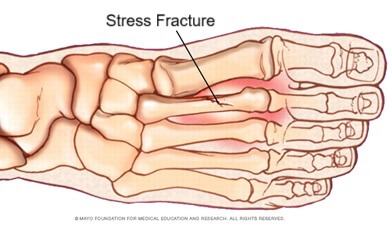
You don’t need a major accident to fracture a bone. Stress fractures can appear with sudden foot pain without injury, often after weeks of unnoticed overloading.
A stress fracture is a tiny crack in the bone caused by repetitive loading, rapid increases in exercise, poor footwear or weak bones. Even though the damage builds gradually, the pain often appears suddenly, particularly with weight-bearing.
Common sites of foot stress fractures are:
- Metatarsals: top of foot pain
- Calcaneus: heel pain
- Navicular: midfoot
Common symptoms of foot stress fractures include:
- Sudden pinpoint pain on top, side or bottom of foot
- Localised swelling
- Pain worsens when walking
- Tenderness when pressing the bone
Stress fracture treatment usually involves a combination of rest, ice, physical therapy, supportive cushioned footwear, activity modification and gradual re-loading.
4. Foot Tendonitis
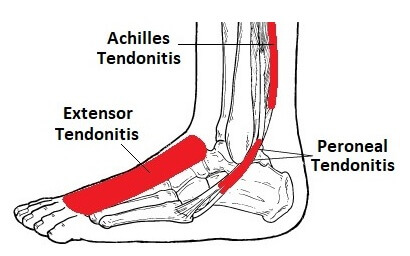
Foot tendonitis occurs when a tendon becomes irritated or inflamed, and it can flare suddenly, even without trauma.
Foot tendonitis is often caused by overuse, muscle tightness, sudden activity changes, flat feet, high arches or weak muscles.
Common tendons that cause sudden foot pain:
- Extensor Tendonitis: sudden pain top of foot
- Posterior Tibial Tendonitis: sudden inner foot/arch pain
- Peroneal Tendonitis: sudden outer foot pain
- Achilles Tendonitis: sudden pain in the heel/calf
The symptoms will vary slightly depending on which tendon is affected but usually include a combination of:
- Sudden sharp pain in foot with movement
- Pain worse with activity or resisted movement
- Swelling, tenderness or warmth along the tendon
Treatment for foot tendonitis usually involves a combination of rest, ice, medication, strengthening and stretching exercises, supportive footwear, orthotics and physical therapy.
5. Gout Foot
Gout foot attacks often strike at night and cause intense sudden sharp pain in the big toe, though other joints can be affected.
Gout foot occurs when high uric acid levels cause crystals to build-up in the joint, triggering intense joint inflammation.
Common symptoms of gout foot include:
- Sudden, severe big toe pain, which often starts suddenly at night
- Red, hot, swollen joint
- Pain so extreme even light touch hurts
- Usually only one foot affected
Triggers for gout foot can include dehydration, alcohol, certain foods, illness or stress - even when there’s been no injury at all.
Treatment for gout foot may include:
- Medications e.g. anti-inflammatories, colchicine or steroids
- Ice
- Hydration
- Long-term uric acid management through diet & medication
6. Morton’s Neuroma
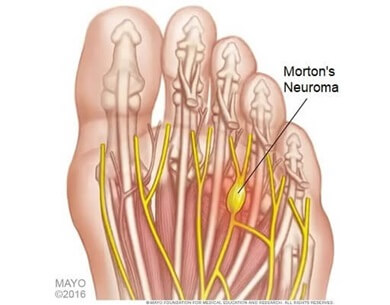
Morton’s Neuroma happens when a nerve between the toes becomes thickened and irritated, causing sudden electric shock–like pain.
Symptoms can appear suddenly, especially when wearing tight shoes, high heels or after walking long distances.
Typical symptoms of Morton’s neuroma are:
- Sudden, burning or sharp pain in the ball of the foot
- Shooting pain into the toes
- Feels like a pebble in your shoe
- Tingling or numbness in the toes
Treatment for a Morton’s neuroma usually involves wider, cushioned, flat shoes, metatarsal pads, ice, physical therapy and in severe cases, steroid injections.
Diagnosis: How Sudden Foot Pain Is Assessed
A doctor or physical therapist may check:
- Foot posture and biomechanics
- Tender points to identify structures involved
- Strength and flexibility
- Gait pattern
- Footwear habits
They may also request further imaging and tests:
- X-ray (suspected fracture)
- Ultrasound (tendonitis or Morton’s neuroma)
- MRI (complex cases)
- Blood tests (gout, infection)
A clear diagnosis ensures the right treatment plan.
When To Seek Medical Advice
Sudden pain in the foot needs urgent medical attention if you experience:
- Sudden swelling in one foot
- Inability to bear weight
- Numbness or weakness
- Severe night pain
- Persistent pain lasting more than a few days
- Visible deformation
- Signs of infection (heat, redness, fever)
#CommissionEarned from Amazon on qualifying purchases
Treatment For Sudden Foot Pain
The right treatment depends on the underlying cause of sudden pain in the foot, but common strategies include:
- Rest & Activity Modification: Avoid aggravating activities until the pain settles. Helps control inflammation and prevents further irritation.
- Ice or Heat: Ice is ideal for inflammation; heat helps stiffness.
- Supportive Footwear: Well-cushioned, supportive shoes help reduce stress on the fascia, tendons and nerves. Avoid walking barefoot, especially on hard floors.
- Orthotics or Insoles: Orthotic insoles such as arch supports, metatarsal pads and heel cups can help reduce pain and improve alignment.
- Medication: Anti-inflammatories can help reduce pain and swelling
- Physical Therapy: Strengthening and stretching exercises are essential for most cases of sudden foot pain with no injury, particularly with plantar fasciitis, tendonitis, nerve irritation and biomechanical issues.
- Medical Treatment: If pain persists, a doctor may recommend imaging, steroid injections, medication for gout, or specialist referral depending on the cause.
FAQ: Sudden Foot Pain
Without Injury
Here, we answer the most common questions about sudden foot pain without injury, explaining the possible causes, symptoms, treatment options, and expert tips to help you get relief quickly and safely.
1. Why Does My Foot Suddenly Hurt For No Reason?
1. Why Does My Foot Suddenly Hurt For No Reason?
Sudden foot pain without injury is usually caused by conditions such as plantar fasciitis, nerve irritation, stress fractures, foot tendonitis, gout or Morton’s neuroma.
These issues can flare without warning due to inflammation, overloading, tight muscles, poor footwear, or underlying medical conditions.
2. What Causes Sudden Sharp Pain In The Foot?
2. What Causes Sudden Sharp Pain In The Foot?
Sudden sharp pain in the foot is most commonly linked to nerve irritation (like tarsal tunnel or neuromas), plantar fasciitis micro-tears, gout attacks, or early stress fractures.
Sharp pain that feels electric, stabbing or burning is often nerve-related.
3. Why Do I Get Sudden
Swelling In One Foot With No Injury?
3. Why Do I Get Sudden Swelling In One Foot With No Injury?
Sudden swelling in one foot can be caused by gout, stress fractures, tendon inflammation, infections, blood clots (DVT), or arthritis flares. If the swelling is severe, hot, red, or accompanied by shortness of breath, seek urgent medical care.
4. Why Do I Get Sudden Pain In The Top Of My Foot?
4. Why Do I Get Sudden Pain In The Top Of My Foot?
Sudden top-of-foot pain is commonly due to extensor tendonitis, stress fractures of the metatarsal bones, nerve irritation or tight footwear compressing structures across the top of the foot.
5. What Causes Sudden Pain In The Foot Arch?
5. What Causes Sudden Pain In The Foot Arch?
Sudden arch pain is most often caused by plantar fasciitis, posterior tibial tendonitis, or nerve entrapment. A sudden “snap” or sharp pull can happen if the plantar fascia or supporting tendons are overloaded.
6. Why Does My Big Toe Suddenly Hurt?
6. Why Does My Big Toe Suddenly Hurt?
Sudden big toe pain is usually from gout, arthritis, sesamoiditis or early bunion inflammation. Gout causes intense, red, swollen big-toe pain that often starts at night.
7. Can Stress Fractures Cause Sudden Foot Pain Even If I Didn’t Injure Myself?
7. Can Stress Fractures Cause Sudden Foot Pain Even If I Didn’t Injure Myself?
Yes - stress fractures often develop gradually but present with sudden pinpoint pain, usually on the top or side of the foot. They may cause swelling and severe pain when weight-bearing.
8. Should I Worry About Sudden Foot Pain Without Injury?
8. Should I Worry About Sudden Foot Pain Without Injury?
See a doctor if the pain is severe, doesn’t improve after 48–72 hours, prevents walking, and is accompanied by swelling in one foot, numbness, deformity, or signs of infection. Some causes - like stress fractures or gout - need early treatment to prevent worsening.
Summary For Sudden Foot Pain Without Injury
Sudden foot pain without injury is surprisingly common and often linked to conditions such as plantar fasciitis, foot tendonitis, stress fractures, gout, arthritis, nerve irritation or Morton’s neuroma.
Each presents with its own pattern of symptoms - whether it’s sudden pain top of foot, sudden sharp pain in the big toe, or sudden swelling in one foot.
The good news is that most cases improve with the right treatment, supportive footwear, and early intervention.
If the pain persists more than a few days or is severe, it’s important to get a proper diagnosis so you can start the most effective treatment plan.
You may also be interested in the following articles:
- Pain On Top Of Foot
- Foot Arch Pain
- Pain On Outside Of Foot
- Foot Pain When Walking
- Foot Lumps & Bumps
- Common Foot Symptoms
Related Articles

Medical References
- Current And Future Advances In Practice: Mechanical Foot Pain. Rheumatology Advances In Practice
- Common Painful Foot and Ankle Conditions. JAMA Network
- Plantar Fasciitis. StatPearls
- Morton’s Neuroma. Current Concepts Review
Page Last Updated: 10th December, 2025
Next Review Due: 10th December, 2027

Visitor Comments
"Thank you so much! Your website is a fountain of information!" Retha, US
"Your info took me straight to the problem. Well described and clearly explained." Rick, US
"Thanks for having these exercises available! I performed a few and they have helped tremendously with my foot pain." Jennifer, UK
"I have suffered these symptoms for over a year, seen two doctors and a physio. None of them diagnosed this." Lezlee, UK
"Very interesting! All good information. Tried a few stretches, already feels good." Cindy, US
"3 days ago I thought I was going to need foot surgery. I NEVER thought that stretching my calf would relieve the excruciating pain at the top of my foot. Thank you!!" Rich, US
The material on this website is
intended for educational information purposes only for the general public.
It should not delay or
substitute medical advice, diagnosis or treatment.
© foot-pain-explored.com 2013-2026
Updated 4th June 2026
Foot-Pain-Explored.com is a trading name of Wilson Health Ltd. All rights reserved. Terms & Conditions apply

Contact Us About Us Blog Privacy Policy Advertising Policy Sitemap