- Home
- Diagnosis Guide
- Toe Pain
- Big Toe Pain
Big Toe Pain:
Causes, Symptoms, Diagnosis & Treatment
Big Toe Pain:
Causes, Symptoms, Diagnosis & Treatment
Written By: Chloe Wilson BSc(Hons) Physiotherapy
Reviewed By: FPE Medical Review Board
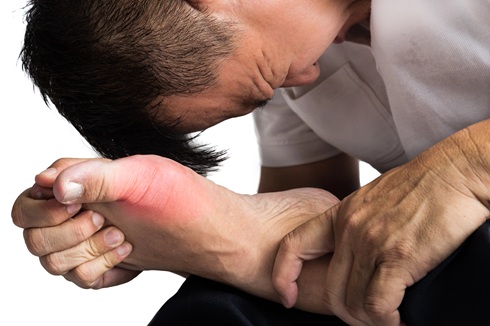
Big toe pain is a common problem that can make walking, standing, and wearing shoes uncomfortable.
The big toe plays a vital role in balance and push-off during walking, so even mild pain can quickly start to affect daily activities.
Pain in the big toe joint can appear suddenly or gradually over time. It might be felt on top of the joint, under the toe, along the side, or deep inside the joint itself.
In some cases, big toe joint pain is mild and short-lived, but in others it becomes persistent and progressively worse.
This guide will help you understand the most common causes of big toe pain, typical symptoms, how big toe joint pain is diagnosed, and the best treatment options to relieve pain and prevent long-term problems.
Common Symptoms of Big Toe Pain
Pain in the big toe can present in several different ways depending on the underlying cause. Common symptoms include:
- Pain at the base of the big toe (first MTP joint)
- Stiffness or reduced movement
- Swelling or redness
- Pain when walking or pushing off
- Pain at night or first thing in the morning
- A painful or hard lump near the joint
- Burning, tingling, or shooting pain
Big Toe Pain Patterns & What They Mean
The type of pain you feel often gives important clues about what is causing it.
| Pain Pattern | What It Feels Like | Most Likely Causes |
|---|---|---|
| Pain under big toe | Aching, sharp, or pressure-like pain under the base of the big toe | Sesamoiditis, Bruising, Stress Fracture, Plantar Callus |
| Side of big toe pain | Tenderness, swelling, or rubbing on inner or outer edge | Bunions (Hallux Valgus), Corns, Joint Inflammation, Shoe Pressure |
| Pain top of big toe | Pain on top of toe, worsened by bending or tight shoes | Hallux Rigidus, Turf Toe, Tendon Irritation, Gout |
| Pain under big toenail | Tenderness or throbbing beneath the nail | Ingrown Toenail, Subungual Hematoma, Fungal Infection |
| Pain tip of big toe | Sharp or burning sensation at the very end of the toe | Nerve Pain, Gout, Trauma, Infection |
| Big toe pain at night | Aching or throbbing that wakes you from sleep | Gout, Arthritis Flare, Nerve Pain |
| Big toe pain when walking | Pain during weight-bearing, push-off, or first step | Hallux Rigidus, Bunions, Sesamoiditis, Stress Fracture, Tendonitis |
What Causes Big Toe Pain?
Pain in the big toe may develop due to problems affecting:
- The joint: arthritis, bunions, fractures
- The bones: bone spurs, stress fractures
- Soft tissues: tendons, ligaments, capsules
- Nerves: compression or irritation
- Skin & nails: blisters, infections, ingrown nails
Pain in the big toe joint most commonly affects the first metatarsophalangeal (MTP) joint, the joint at the base of the big toe where it meets the forefoot, which takes a large amount of force with every step.
Let’s have a look at the most common causes of big toe pain in more detail.
1. Hallux Rigidus (Big Toe Arthritis)
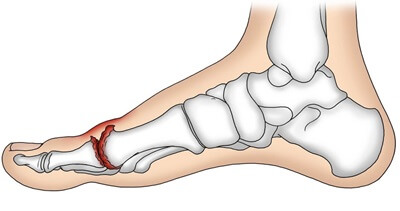
Hallux rigidus is one of the most common causes of big toe joint pain, particularly in adults over 40.
It develops due to wear and tear of the cartilage in the first MTP joint at the base of the big toe. As the cartilage wears away, the body attempts to repair the joint by forming bone spurs (osteophytes), often on the top of the joint.
Typical Symptoms
Big toe pain, especially when bending the toe upwards
- Stiffness and reduced range of motion
- Pain when walking, climbing stairs, or running, especially during push-off phase
- A hard lump on top of the big toe joint
Hallux rigidus pain usually worsens gradually over time and may eventually be present even at rest.
2. Bunions (Hallux Valgus)
Bunions are a very common cause of big toe joint pain, forming a lump at the base of the big toe. They occur when the big toe drifts inwards toward the second toe, while the 1st MTP joint pushes outward.
This creates a prominent, often painful lump that may rub against footwear.
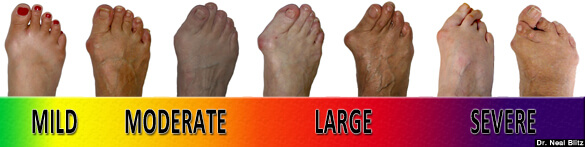
Typical Symptoms
- Hard and bony on outer edge of the base of the big toe (1st MTP)
- Red or swollen if irritated by shoes
- Big toe pain when walking or prolonged standing
- Slow-growing, worsening over months or years
- Associated with reduced big toe movement in later stages
Bunions are commonly linked with tight or narrow footwear, genetics, altered foot biomechanics, and arthritis. As the deformity progresses, big toe joint pain often increases and walking can become uncomfortable.
3. Gout Foot
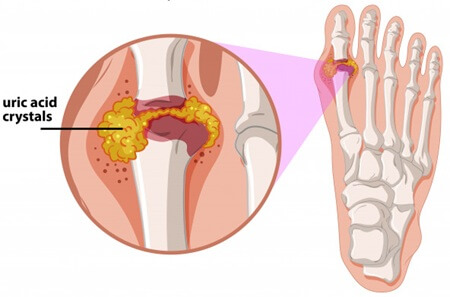
Gout commonly causes sudden, severe pain in the big toe joint, often waking people at night.
It occurs when uric acid crystals build up inside the joint, triggering intense inflammation.
Typical Symptoms
- Sudden onset of severe pain, often overnight
- Red, hot, swollen big toe joint
- Extreme tenderness — even bed sheets may be painful
- Throbbing pain
- Recurrent flare-ups
Gout most commonly affects the big toe but can also involve other joints. Repeated gout attacks may lead to hard lumps called tophi forming around the joint.
4. Sesamoiditis
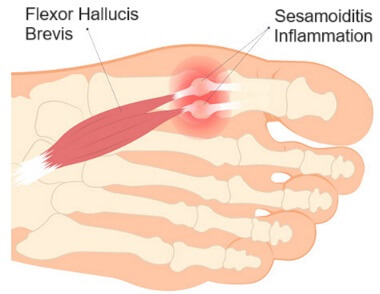
Sesamoiditis causes pain underneath the big toe joint, where two small bones (sesamoids) sit within the tendon.
It is commonly caused by overuse or increased pressure through the forefoot.
Typical Symptoms
- Pain under the base of the big toe
- Pain that worsens when walking, running, or pushing off
- Local tenderness and mild swelling
- Difficulty bending the big toe
Sesamoiditis is common in runners, dancers, and people who spend long periods on their feet.
5. Turf Toe
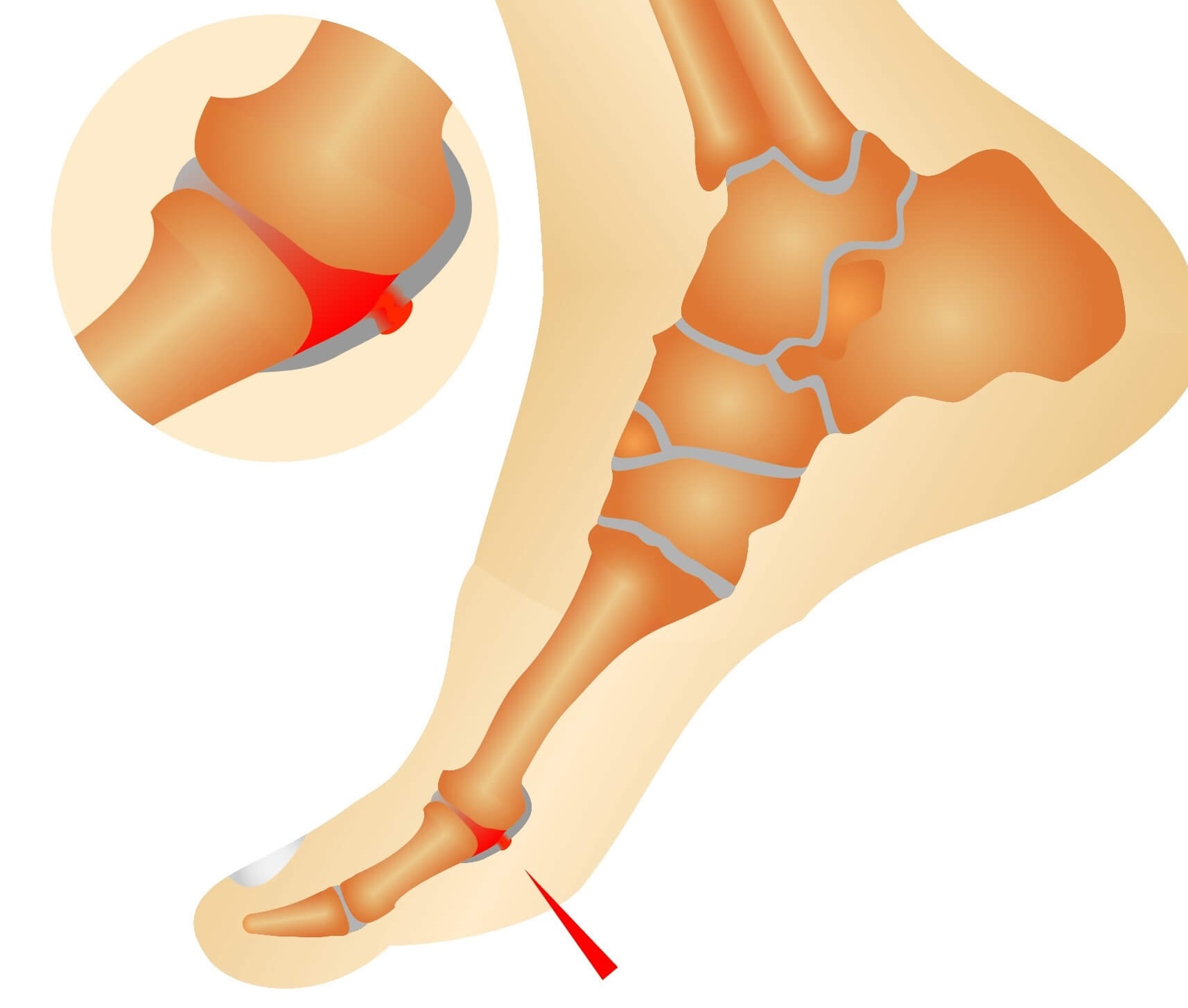
Turf toe is a sprain of the big toe joint caused by forcefully bending the toe backwards.
Typical Symptoms
- Sudden pain in the big toe joint
- Swelling and bruising
- Pain when pushing off the foot
- Reduced joint movement
Turf toe injuries are common in athletes but can occur in anyone after a slip or fall.
7. Nerve Irritation
Compression or irritation of nerves supplying the big toe can cause shooting, burning, or tingling pain in the big toe.
Typical Symptoms
- Sharp or burning pain
- Tingling or numbness
- Pain that worsens in tight shoes
- Decreased sensation
8. Blisters, Warts & Skin Conditions
Problems affecting the skin can also cause pain in the big toe, including:
- Friction blisters
- Plantar warts
- Fungal or bacterial infections
- Contact dermatitis
These often cause surface tenderness rather than deep joint pain.
How Is Big Toe Pain Diagnosed?
Pain in big toe diagnosis usually starts with a clinical examination, focusing on:
- Big toe joint position and alignment
- Range of motion testing
- Tenderness and swelling
- Walking and weight-bearing assessment
Investigations may include:
- Weight-bearing X-rays: arthritis, fractures, bunions
- MRI or ultrasound: soft tissue or nerve problems
- Blood tests: if gout or infection is suspected
Accurate diagnosis is essential, as many causes of big toe joint pain feel similar.
When to See a Doctor for Big Toe Joint Pain
You should see a doctor or podiatrist if:
- Pain in big toe is severe or worsening
- The joint is red, hot, swollen or very tender
- Pain started suddenly after injury or with no clear cause
- You have difficulty walking
- Symptoms do not improve within 1–2 weeks of home care
- You have gout, diabetes, or circulation problems
Red flags requiring urgent assessment:
- unable to walk
- snap or pop at time of injury
- obvious deformity
- neurological symptoms
Treatment Options for Big Toe Pain
Big toe joint pain treatment depends on the cause of but often includes a combination of the following:
1. Conservative Treatment
- Rest and activity modification
- Footwear with a wide toe box
- Insoles or orthotics to reduce pressure
- Toe spacers or padding
- Ice and elevation for swelling
2. Medications
- Anti-inflammatory medications (NSAIDs)
- Gout-specific medications if required
- Pain relief as advised by your doctor
- Topical treatments for skin conditions
3. Physical Therapy
- Joint mobility exercises
- Strengthening and stretching exercises
- Gait retraining
- Joint mobilisation
4. Injections or Surgery
- Steroid injections for inflammation
- Joint injections for arthritis
- Drainage of cysts or abscesses
- Surgery for severe arthritis, bunions, or deformities
FAQs About Big Toe Pain
Let's have a look at some on the most frequently asked questions about big toe pain.
Q1. What are the most frequent causes pain in the big toe joint?
Q1. What are the most frequent causes pain in the big toe joint?
The most common causes of pain in the big toe joint are hallux rigidus, bunions, gout, and sesamoiditis.
Q2. Why does my big toe hurt when I walk?
Q2. Why does my big toe hurt when I walk?
Big toe pain when walking is often due to joint stiffness, inflammation, or altered foot mechanics that increase pressure through the joint.
Q3. Can pain in the big toe go away on its own?
Q3. Can pain in the big toe go away on its own?
Mild big toe pain may settle with rest and footwear changes, but persistent or worsening pain usually needs treatment.
Q4. How can I relieve big toe pain at home?
Q4. How can I relieve big toe pain at home?
Q5. What kind of doctor should I see for pain in big toe?
Q5. What kind of doctor should I see for pain in big toe?
Big toe joint pain is best assessed by a podiatrist, physical therapist, or orthopaedic specialist. Your primary care physician/GP can also help with diagnosis and referrals.
Q6. Is big toe joint pain a sign of something serious?
Q6. Is big toe joint pain a sign of something serious?
Big toe pain is usually not serious, but sudden severe pain, redness, swelling, or difficulty walking may indicate gout, infection, or fracture.
Q7. What causes pain on top of the big toe?
Q7. What causes pain on top of the big toe?
Pain on top of the big toe is commonly caused by arthritis (hallux rigidus), joint inflammation, tendon irritation, or pressure from tight footwear.
Q8. What causes pain on the side of the big toe?
Q8. What causes pain on the side of the big toe?
Q9. What causes pain underneath the big toe?
Q9. What causes pain underneath the big toe?
Pain under the big toe is often due to sesamoiditis, bruising, stress fractures, or pressure from calluses beneath the joint.
Q10. What does a lump on the big toe mean?
Q10. What does a lump on the big toe mean?
A painful bump on big toe often come from bunions, gout, cysts, or trauma, and may worsen with walking or pressure.
Painless lumps can include bone spurs, calluses, or slow-growing cysts.
Small bumps on big toe, tiny raised or fluid-filled spots, are usually caused by warts, blisters, eczema, or fungal infections.
Any lump on toe that grows, changes shape, becomes painful, or affects walking should be checked by a healthcare professional.
Q11. Can big toe joint pain get worse if left untreated?
Q11. Can big toe joint pain get worse if left untreated?
Yes. Pain in the big toe can worsen over time if untreated, leading to stiffness, swelling, and reduced walking ability.
Big Toe Pain Summary
Big toe pain is a common problem that can significantly affect walking and daily activities. Key points:
- Big toe joint pain is most often caused by hallux rigidus, bunions, or gout
- Pain underneath the big toe is commonly due to sesamoiditis
- Sudden severe pain with redness often indicates gout
- Stiffness usually suggests arthritis
- Shooting pain or altered sensation may be nerve-related
Early diagnosis and treatment helps prevent stiffness, deformity, and long-term pain.
If your pain in the big toe is persistent, worsening, or affecting your mobility, a professional assessment is recommended. If your other toes are affected, check out the toe joint pain article.
You may also be interested in the following articles:
- Lump On Toe
- Sharp Pain Big Toe
- Foot Pain Diagnosis Chart
- Top Of Foot Pain
- Pain On Bottom Of Foot
- Pain On Side Of Foot
Related Articles
Medical References
- Bunions: What Else Might It Be. Differential Diagnosis. NICE Guidelines
- Stiff Big Toe (Hallux Rigidus). Royal College Of Podiatry
- Painful Big Toe Joint (Hallux Limitus/Rigidus). NHS UK
Page Last Updated: 9th January, 2026
Next Review Due: 9th January, 2028

Visitor Comments
"Thank you so much! Your website is a fountain of information!" Retha, US
"Your info took me straight to the problem. Well described and clearly explained." Rick, US
"Thanks for having these exercises available! I performed a few and they have helped tremendously with my foot pain." Jennifer, UK
"I have suffered these symptoms for over a year, seen two doctors and a physio. None of them diagnosed this." Lezlee, UK
"Very interesting! All good information. Tried a few stretches, already feels good." Cindy, US
"3 days ago I thought I was going to need foot surgery. I NEVER thought that stretching my calf would relieve the excruciating pain at the top of my foot. Thank you!!" Rich, US
The material on this website is
intended for educational information purposes only for the general public.
It should not delay or
substitute medical advice, diagnosis or treatment.
© foot-pain-explored.com 2013-2026
Updated 24th March 2026
Foot-Pain-Explored.com is a trading name of Wilson Health Ltd. All rights reserved. Terms & Conditions apply

Contact Us About Us Blog Privacy Policy Advertising Policy Sitemap